You know that feeling when you brush your teeth and everything just feels… clean? Your pet probably doesn’t think about it that way. But honestly, their mouths are just as complicated—and just as prone to trouble—as yours. Dental care for pets and companion animals isn’t just about avoiding stinky kisses. It’s about their overall health. Let’s dive in.
Why Pet Dental Health Matters (And Why It’s Often Overlooked)
Here’s the deal: most pet owners don’t think about their dog or cat’s teeth until something’s wrong. A bad smell. Dropping food. Red gums. By then, it’s often advanced. Periodontal disease affects over 80% of dogs and 70% of cats by age three. That’s not a typo—it’s that common.
And it’s not just a mouth problem. Bacteria from dental disease can travel to the heart, kidneys, and liver. So yeah—brushing your pet’s teeth isn’t a luxury. It’s a core part of their care.
The Silent Suffering: What Your Pet Can’t Tell You
Animals are masters at hiding pain. It’s a survival instinct. A dog with a toothache might still wag its tail. A cat with gingivitis might still purr. But subtle signs? They’re there. Look for:
- Bad breath that’s not just “dog breath” but truly foul
- Yellow or brown tartar buildup along the gumline
- Red, swollen, or bleeding gums
- Pawing at the mouth or face
- Dropping food while eating—or chewing on one side
- Loose or missing teeth
If you see any of these, it’s time for a vet visit. No excuses.
Building a Home Dental Routine (That Actually Works)
So you want to start brushing your pet’s teeth. Great. But let’s be real—it’s not always easy. Especially with cats. Or stubborn terriers. Or, well, any animal that doesn’t like things in their mouth.
Start slow. Really slow. Let them sniff the toothbrush and toothpaste first. Use a pet-safe enzymatic toothpaste—never human toothpaste, which contains xylitol (toxic to dogs) or fluoride (bad for both). Let them taste it. Build trust over a few days.
Step-by-Step: Brushing Without the Battle
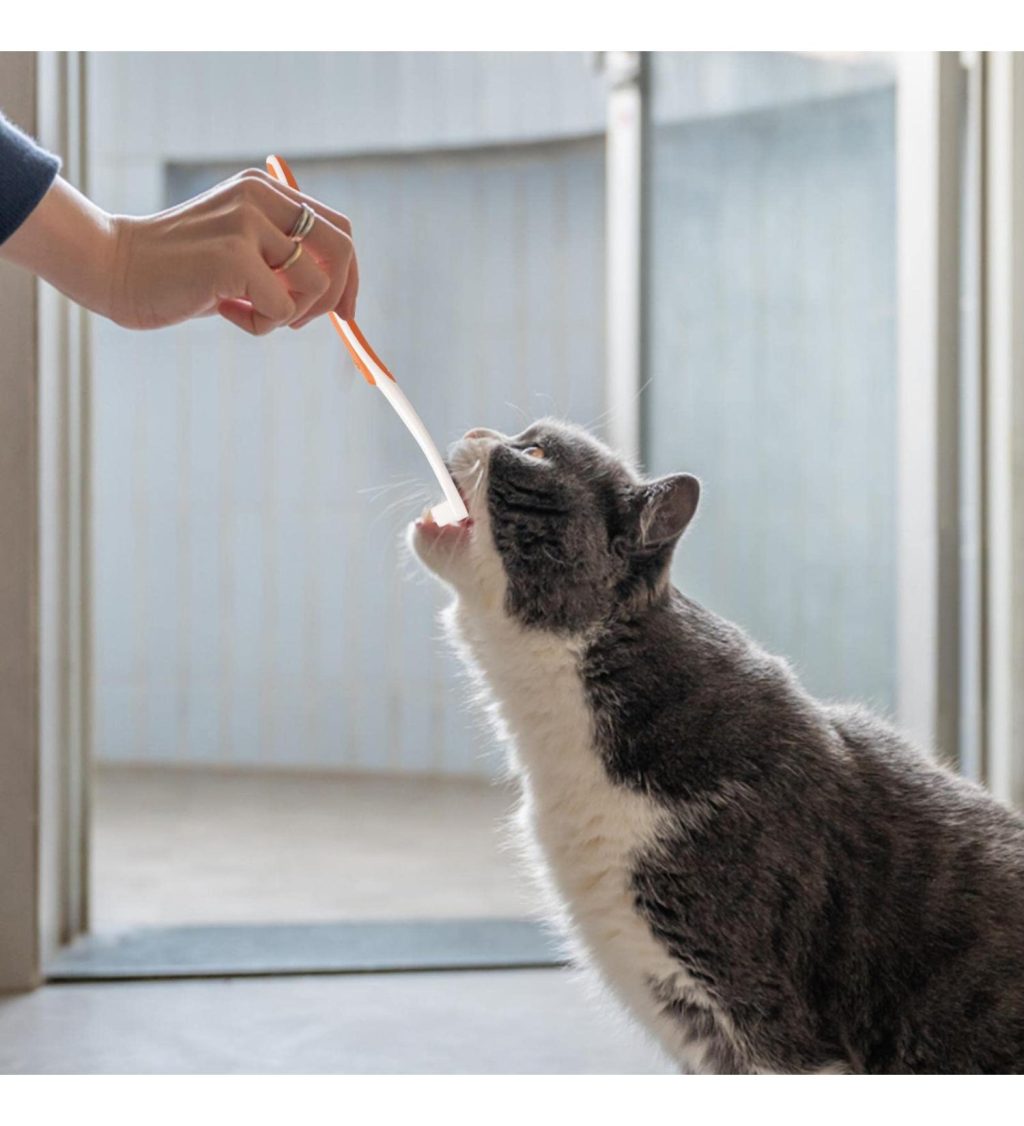
- Start with your finger—rub a little toothpaste on it and let them lick it off.
- Gradually move to a finger brush or a soft-bristled pet toothbrush.
- Lift their lip gently and brush in small circles—focus on the gumline.
- Aim for 30 seconds per side, but even 10 seconds is better than nothing.
- Reward with praise or a dental-safe treat. Positive reinforcement is everything.
Consistency matters more than perfection. Even brushing three times a week makes a difference.
Beyond the Brush: Other Tools That Help
Not every pet tolerates brushing. And that’s okay—you’ve got options. Dental care for pets and companion animals isn’t one-size-fits-all. Here’s a quick comparison of popular alternatives:
| Tool | How It Works | Best For |
|---|---|---|
| Dental chews & treats | Mechanical scraping + enzymes | Dogs who love to chew |
| Water additives | Fights plaque in drinking water | Pets who resist brushing |
| Dental wipes | Rub-on cleaning for teeth & gums | Cats or small dogs |
| Dental diets (e.g., Hill’s t/d) | Kibble texture scrubs teeth | Pets on dry food |
| Chew toys (e.g., rubber or rope) | Natural abrasion from play | Active, mouthy animals |
None of these replace a professional cleaning. But they sure help slow down the buildup between vet visits.
When to See the Vet (And What to Expect)
Annual dental checkups are ideal. But if your pet’s breath could knock over a horse, don’t wait. A professional dental cleaning under anesthesia is the gold standard. It’s not just a “scrape and polish”—it involves:
- Full oral exam (including under the gumline)
- Digital X-rays to check for hidden issues
- Scaling and polishing of all teeth
- Extractions if needed (and yes, pets do fine without a few teeth)
I know—anesthesia sounds scary. But modern protocols are very safe. Bloodwork beforehand, monitoring during, and recovery afterward. The risk of untreated dental disease is far higher than the risk of anesthesia.
Costs and Insurance: The Uncomfortable Talk
Let’s be honest—dental cleanings aren’t cheap. They can run from $300 to $1,200 depending on your location and what’s needed. Extractions add more. But pet insurance often covers dental procedures (check your policy). Some clinics offer payment plans. And prevention is way cheaper than treatment. A $10 toothbrush now beats a $1,000 extraction later.
Special Considerations for Cats vs. Dogs
Cats are not small dogs. Their dental issues are different. For example, cats are prone to feline odontoclastic resorptive lesions (FORLs)—basically, holes in their teeth that are super painful. Dogs get more fractures from chewing hard objects (like antlers or ice).
So tailor your approach. A cat might prefer a gel you rub on their gums. A Labrador might love a dental chew. Know your pet’s personality and mouth anatomy.
Common Myths About Pet Dental Care
Let’s bust a few while we’re here:
- “Dry food cleans teeth.” Nope. Most kibble crumbles before it even touches the gumline. Special dental diets are different.
- “Bad breath is normal.” It’s not. It’s a sign of bacteria and decay.
- “My pet doesn’t need brushing because they chew sticks.” Sticks can splinter and cause damage. Not a substitute.
- “Anesthesia is too risky.” For healthy pets, it’s safer than letting dental disease fester.
Final Thoughts: A Mouth Is a Window
Think of your pet’s mouth as a window to their body. When it’s healthy, they eat better, feel better, and live longer. Dental care for pets and companion animals isn’t just about teeth—it’s about quality of life. It’s about those sloppy kisses, that happy purr, that tail wag that says “I trust you.”
Start small. A brush here. A chew there. A vet visit scheduled. You don’t have to be perfect—just consistent. And your pet will thank you, in their own wordless way.