Let’s be honest — stress is a messy beast. It creeps in, messes with your sleep, your mood, and honestly… your digestion. But here’s the kicker: your gut and your brain are in constant conversation. It’s called the gut-brain axis, and it’s a two-way street. What you eat can either dial up your stress or calm it down. So, let’s talk about a diet that actually works with your nervous system, not against it.
Wait — What Exactly Is the Gut-Brain Axis?
Imagine a superhighway of nerves, hormones, and chemical signals connecting your brain to your digestive tract. That’s the gut-brain axis. Your gut is lined with millions of neurons — it’s often called your “second brain.” And it produces about 90% of your body’s serotonin, the “feel-good” neurotransmitter. So when your gut is inflamed or imbalanced, your brain gets the memo. And that memo usually reads: “Panic mode: ON.”
This isn’t just woo-woo science. It’s real, and it’s powerful. The right foods can strengthen this connection, reduce cortisol (your stress hormone), and help you feel more resilient. That’s where the gut-brain axis diet comes in.
Your Microbiome: The Unsung Hero
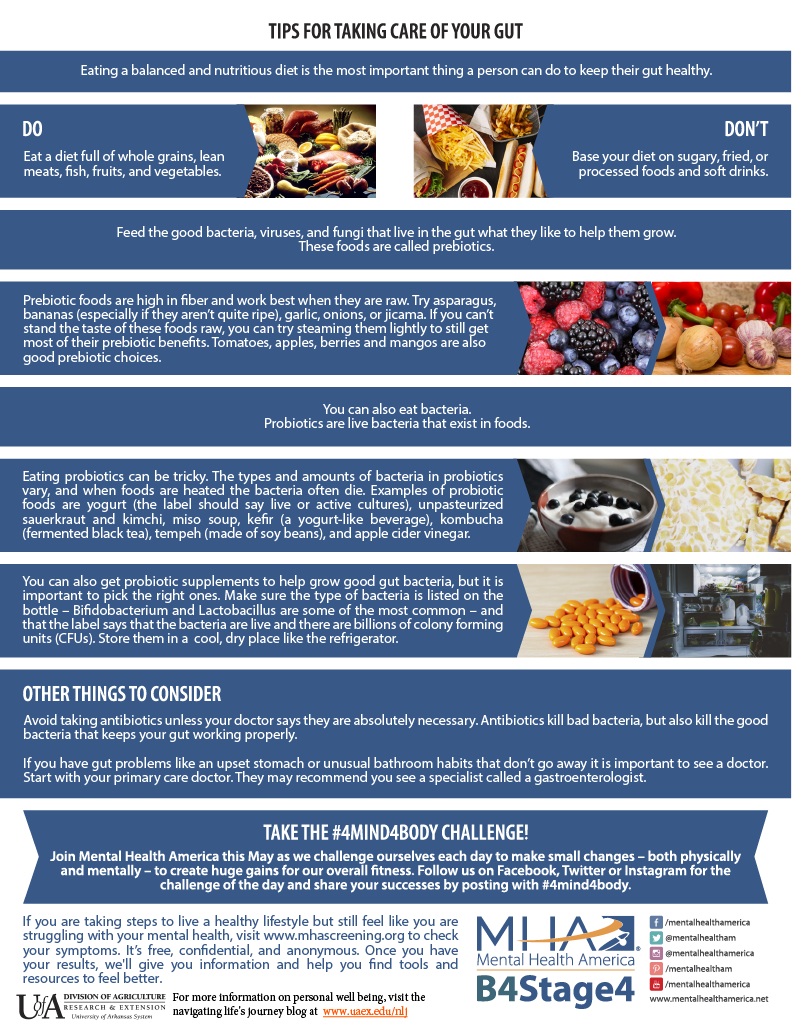
Your gut is home to trillions of bacteria — your microbiome. Think of them as tiny roommates. Some are helpful, some are… well, freeloaders. When you feed the good guys (with fiber, polyphenols, and fermented foods), they produce short-chain fatty acids that reduce inflammation and support brain health. When you feed the bad guys (sugar, processed junk), they release inflammatory compounds that mess with your mood. It’s that simple — and that complicated.
How Stress Messes With Your Gut (And Vice Versa)
Ever had “butterflies” before a big presentation? That’s your gut-brain axis in action. Chronic stress, though, is a whole different animal. It can:
- Alter gut motility (hello, diarrhea or constipation)
- Increase intestinal permeability — aka “leaky gut”
- Disrupt the balance of good vs. bad bacteria
- Trigger cravings for sugar and fat (sound familiar?)
And here’s the twist: an unhealthy gut can actually amplify your stress response. It’s a vicious cycle. But the right diet can break it.
The Core Principles of a Gut-Brain Axis Diet
This isn’t about strict rules or deprivation. It’s about nourishing that connection. Here’s the deal — focus on these four pillars:
1. Fiber-Rich Foods for a Happy Microbiome
Soluble fiber is like a prebiotic buffet for your good bacteria. Think oats, barley, apples, carrots, and legumes. Insoluble fiber (think leafy greens, nuts, seeds) keeps things moving. Aim for a rainbow of plants — 30 different types per week is a fun challenge, not a rule. But honestly, even adding one extra serving of veggies a day makes a difference.
2. Fermented Foods for a Probiotic Punch
Kimchi, sauerkraut, yogurt, kefir, kombucha — these are your gut’s best friends. They introduce live beneficial bacteria directly into your system. A 2021 study found that people who ate fermented foods daily had lower markers of inflammation and, interestingly, less perceived stress. Start small — a spoonful of sauerkraut with your meal, or a small glass of kefir. Your gut might throw a mini party.
3. Healthy Fats to Calm the Nervous System
Omega-3 fatty acids (found in salmon, sardines, walnuts, flaxseeds) are like oil for the gut-brain highway. They reduce inflammation and support the production of brain-derived neurotrophic factor (BDNF), a protein that helps your brain adapt to stress. Avocados, olive oil, and even dark chocolate (70%+ cacao) also play a role. Yes, dark chocolate. You’re welcome.
4. Polyphenol-Rich Foods for Antioxidant Power
Polyphenols are plant compounds that your gut bacteria love. Berries, green tea, turmeric, red wine (in moderation), and colorful spices. They help reduce oxidative stress — which is basically cellular rust caused by chronic stress. A sprinkle of cinnamon on your oatmeal? That’s a polyphenol move.
Foods to Limit (Or Avoid) for Stress Management
Look, no one’s perfect. But some foods actively sabotage the gut-brain axis. Here’s a quick table for clarity:
| Food Type | Why It Hurts | Better Swap |
|---|---|---|
| Refined sugar | Feeds bad bacteria, spikes cortisol | Fresh fruit, dates, dark chocolate |
| Artificial sweeteners | Disrupt microbiome balance | Stevia, monk fruit (in moderation) |
| Processed seed oils | Promote inflammation | Olive oil, avocado oil, coconut oil |
| Excessive alcohol | Increases gut permeability | Herbal tea, kombucha, or a glass of red wine |
| Gluten (if sensitive) | Can trigger gut irritation | Quinoa, buckwheat, oats (if certified) |
Notice I didn’t say “never eat these.” It’s about frequency. Your gut can handle an occasional treat. But if you’re stress-eating a bag of gummy bears daily? That’s a problem.
A Sample Day on the Gut-Brain Axis Diet
Here’s a rough idea — not a rigid meal plan, just inspiration. Feel free to mix it up.
- Breakfast: Overnight oats with chia seeds, berries, and a dollop of yogurt. Sprinkle of cinnamon.
- Lunch: Big salad with mixed greens, grilled salmon, avocado, walnuts, and a lemon-tahini dressing.
- Snack: A handful of almonds and a square of dark chocolate. Or a small bowl of kimchi.
- Dinner: Stir-fried veggies (broccoli, bell peppers, snap peas) with tofu or chicken, served over quinoa. Add a side of sauerkraut.
- Evening: Chamomile tea or a warm glass of kefir.
See? No starvation. No weird restrictions. Just real food that talks to your brain in a calming language.
Beyond Food: The Lifestyle Piece
Diet is huge, but it’s not the whole picture. The gut-brain axis responds to sleep, movement, and stress management itself. Here’s a few quick habits that amplify the diet:
- Chew your food thoroughly. Digestion starts in the mouth. Rushing it sends stress signals to your gut.
- Take a 10-minute walk after meals. Gentle movement improves gut motility and lowers cortisol.
- Practice deep breathing before eating. A few diaphragmatic breaths activate the vagus nerve — the main nerve of the gut-brain axis.
- Prioritize sleep. Your microbiome has a circadian rhythm, too. Disrupted sleep = disrupted gut.
Honestly, it’s the combination that works. You can eat all the sauerkraut in the world, but if you’re running on four hours of sleep and constant coffee, your gut will still be on edge.
Realistic Expectations — And a Little Patience
This isn’t a quick fix. Your gut microbiome takes time to shift — think weeks, not days. You might notice better digestion first, then a calmer mood, then deeper sleep. It’s a gradual unwinding. And that’s okay. Stress management is a practice, not a destination.
One more thing: if you have a diagnosed gut condition (like IBS or IBD), work with a healthcare provider. This diet is a foundation, not a replacement for medical advice.
The Bottom Line
Your gut and brain are partners in crime — for better or worse. Feeding them whole, fiber-rich, fermented, and anti-inflammatory foods is one of the most powerful (and underrated) tools for managing stress. It’s not about perfection. It’s about giving your body the raw materials it needs to find its balance. Start with one meal. See how you feel. Your gut — and your brain — will thank you.
And that’s the real secret: you don’t have to fight stress alone. Your microbiome is on your side. Feed it well.