Let’s be real—taking a child with autism to the dentist can feel like preparing for a space launch. The bright lights, strange sounds, unfamiliar hands in their mouth… it’s a sensory minefield. But here’s the thing: dental anxiety isn’t a dead end. With the right strategies, you can turn a terrifying appointment into something manageable—maybe even boring. Let’s explore real solutions that actually work.
Why Dental Anxiety Hits Harder for Kids on the Spectrum
First, understand the why. For many autistic children, the dental office is a perfect storm of triggers. The humming of the suction, the minty taste of toothpaste, the sterile smell—it’s all amplified. Sensory processing differences mean these sensations can feel painful, not just annoying. Plus, there’s the unpredictability. A neurotypical kid might tolerate a surprise poke; an autistic child often needs to know exactly what’s coming next.
And honestly? Many dentists aren’t trained for this. They rush. They don’t pause. That’s why you—the parent or caregiver—are the real MVP here. You’re the translator, the anchor, the one who can bridge that gap.
The Core of the Problem: Sensory Overload + Communication Barriers
Think of it like this: imagine walking into a room where every light is a strobe, every sound is a jackhammer, and someone keeps tapping your shoulder. That’s the baseline for some kids. Add in the inability to say “stop” or “I’m scared,” and you’ve got a recipe for meltdowns. But—and this is key—you can preemptively dismantle those triggers.
Pre-Visit Prep: The Foundation of Calm
Preparation isn’t just helpful—it’s everything. Start weeks before the appointment. Here’s a step-by-step that’s worked for countless families.
1. Social Stories and Visual Schedules
Create a simple social story with pictures. Show the parking lot, the waiting room, the chair, the tools. Use clear, literal language. “First, we sit in the big chair. Then, the dentist will count your teeth. Then, we get a sticker.” You can find free templates online, or just draw stick figures—it doesn’t have to be fancy. The point is predictability.
Some kids respond to video modeling. Record yourself or a sibling sitting in a dental chair at home. Play it on loop. Repetition builds comfort.
2. The “Dry Run” Visit
Call the office and ask for a tour—no treatment, just walking through. Let your child touch the chair, see the light, maybe even sit in it while it’s off. Some clinics offer “happy visits” specifically for anxious kids. If they don’t, advocate for one. Most good dentists will accommodate.
During this visit, bring a comfort item. A weighted blanket, a favorite fidget, noise-canceling headphones. Let them hold it the whole time.
Choosing the Right Dentist (This Matters More Than You Think)
Not all dentists are created equal. You need someone who gets autism. Look for a pediatric dentist who advertises “special needs” experience. Ask these questions on the phone:
- Do you allow parents in the treatment room?
- Can we use our own sensory tools (headphones, sunglasses)?
- Do you offer sedation options for extreme anxiety?
- How do you handle a child who won’t open their mouth?
If they hesitate or sound annoyed, move on. Seriously. You’re the customer. A dentist who’s impatient with your questions will be worse during treatment.
Sedation: When It’s Necessary and When It’s Not
Some kids need sedation—and that’s okay. Nitrous oxide (laughing gas) is common, but for autistic kids, the mask can feel claustrophobic. Oral sedation (a liquid medication) or IV sedation might work better. But always, always discuss risks with a specialist. It’s a tool, not a crutch.
Day-of Strategies: Keeping It Together
Morning of the appointment? Keep the routine as normal as possible. No surprises. Here’s a quick checklist:
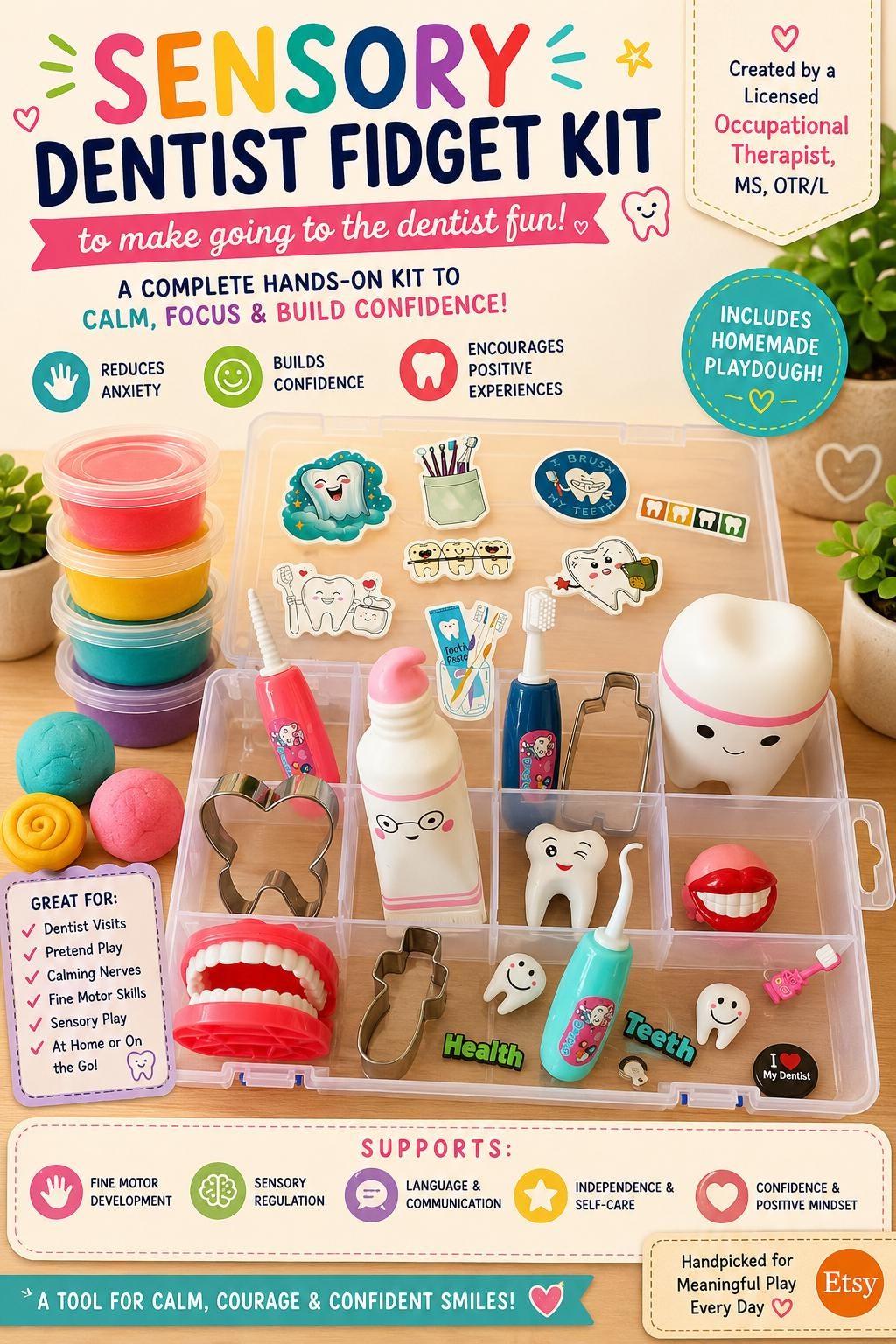
- Pack a sensory kit: Weighted lap pad, chewy tube, sunglasses, earplugs, a preferred snack for after.
- Use a visual timer: Show them how long each step will take. “The cleaning is 5 minutes. Then we’re done.”
- Practice breathing: Blow bubbles or pretend to blow out birthday candles. Deep breathing calms the nervous system.
- Bring a “first-then” board: “First teeth, then playground.” Concrete rewards work wonders.
One parent I know uses a simple script: “The dentist will count your teeth like a robot. Beep, beep, beep.” It sounds silly, but it reframes the experience as a game.
During the Appointment: Micro-Adjustments
Once you’re in the chair, don’t be afraid to speak up. “Can we dim the lights?” “Can you talk quieter?” “Can we take a 30-second break?” Most dentists will comply if you ask politely. You’re not being difficult—you’re being an advocate.
If your child starts to escalate, don’t push through. A meltdown in the chair can traumatize them for years. It’s better to reschedule than to force it. Seriously—no shame in that.
Long-Term Solutions: Building a Dental Routine at Home
Anxiety doesn’t just vanish after one visit. You need to build a foundation of comfort. Start with desensitization at home. Let your child hold a toothbrush, then touch it to their lips, then their teeth. Go slow. Use a vibrating toothbrush if they like vibration—or a soft manual one if they don’t.
Make brushing a sensory-friendly ritual. Play their favorite song. Use a flavored toothpaste they actually like (mild, not minty). Some kids prefer unflavored—try brands like Oranurse or Dr. Bob’s.
Table: Common Triggers and Simple Fixes
| Trigger | Why It Hurts | Simple Fix |
|---|---|---|
| Bright overhead light | Overstimulates visual system | Ask for sunglasses or dimmed lights |
| Loud suction noise | Auditory sensitivity | Noise-canceling headphones |
| Mint toothpaste taste | Strong flavor overload | Bring unflavored or mild paste |
| Unexpected touch | Proprioceptive discomfort | Use a “tell-show-do” approach |
| Waiting room chaos | Unstructured time | Request a quiet corner or wait in car |
What About Technology? New Tools Worth Trying
There’s some cool stuff out there. Virtual reality headsets that show calming underwater scenes during cleanings. Apps like “Dental Buddy” that simulate the experience. Even weighted blankets designed for dental chairs. Not every kid will vibe with them, but for some, it’s a game-changer.
Ask your dentist if they have any of these. If not, you can bring your own tablet with a favorite show—just make sure it’s downloaded (WiFi in clinics can be spotty).
When Nothing Seems to Work: The Reset
Look, some days are just hard. You might try everything and still face a meltdown. That’s not failure—that’s data. What triggered it? Was it the wait? The taste? The sound? Write it down. Adjust for next time.
Consider a “dental home” approach—same dentist, same room, same assistant every time. Consistency builds trust. Over months or years, the anxiety often fades. Not completely, maybe, but enough.
And if your child absolutely cannot tolerate a cleaning? Talk to your pediatrician about referral to a hospital-based dentist who can do treatment under general anesthesia. It’s not ideal, but it’s safe, and it prevents decay from spiraling.
The Bottom Line: You’re Not Alone
Dental anxiety in autistic children isn’t a character flaw or bad parenting. It’s a neurological reality. But with preparation, the right provider, and a whole lot of patience, you can chip away at that fear. Each small success—a toothbrush touched, a mouth opened, a cleaning finished—is a victory. Celebrate it.
In the end, it’s not about perfect teeth. It’s about showing your child that scary things can be survived. That they have control. That you’ve got their back. And honestly? That’s the most important solution of all.