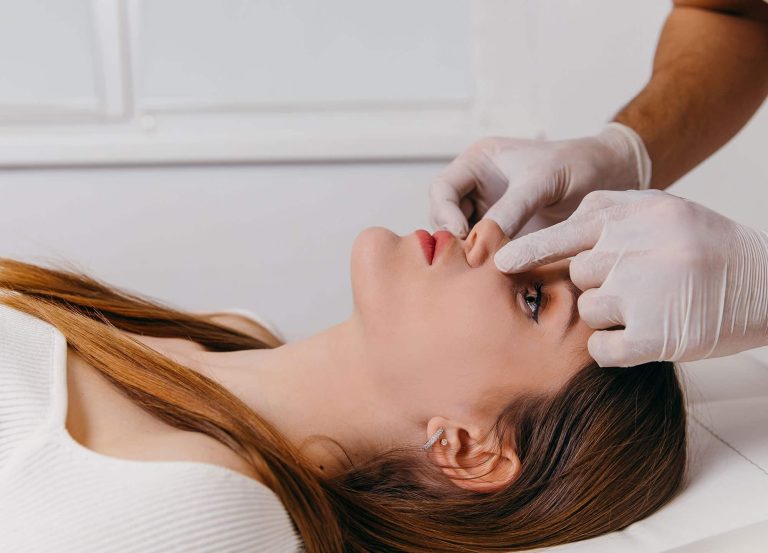
You go through surgery, you heal—but that scar? It’s a reminder. Sometimes it fades; sometimes it’s stubborn. For years, patients just accepted it. But now? The game’s changed. Honestly, the last five years have brought breakthroughs that sound almost sci-fi. Let’s dig into what’s actually working, what’s hype, and what’s genuinely shifting how we think about healing.
Why Scar Tissue Forms—and Why We Care More Now
Scarring isn’t just cosmetic. It can restrict movement, cause pain, or itch like crazy. Think of it as the body’s duct tape: quick, messy, functional. But modern medicine wants silk sutures instead. And patients? They’re demanding better outcomes. So, what’s new?
The Shift from Passive to Active Healing
Old-school healing was about keeping wounds clean and dry. Let nature do its thing. But nature’s thing often leaves a hypertrophic scar or a keloid. Now, we’re seeing active intervention at the cellular level. Things like growth factors, peptides, and even electrical stimulation. It’s not just covering the wound—it’s directing the repair.
Take microneedling with radiofrequency. It’s been around, but the new devices? They’re smarter. They sense tissue resistance and adjust energy delivery in real-time. Less damage, more collagen remodeling. One study showed a 40% improvement in scar texture after three sessions. That’s not nothing.
Topical Tech: Beyond Silicone Sheets
Silicone sheets were the gold standard for decades. And they work—by hydrating and protecting. But they’re passive. The new wave? Bioactive dressings that release compounds like vitamin C, copper peptides, or even stem cell exosomes. Imagine a bandage that actively talks to your cells.
One brand, Neosporin’s new line, uses a proprietary blend of anti-inflammatory lipids. Another, ScarAway, now has a silicone gel with added SPF and growth factors. It’s like a skincare routine for your incision. But here’s the kicker: consistency matters. You can’t slap it on once and expect magic.
- Copper peptides – boost collagen and reduce inflammation.
- Vitamin C esters – penetrate deeper, lighten hyperpigmentation.
- Exosome creams – derived from stem cells; still pricey but promising.
Honestly, the biggest problem? Cost. Many of these are $50+ for a tiny tube. But for a major scar? Worth it to some.
Lasers and Light: Not Just for Tattoos
You’ve heard of fractional lasers. They create micro-injuries to stimulate collagen. But newer picosecond lasers deliver energy in trillionths of a second. Less heat damage, better pigment targeting. And for red, raised scars? Pulsed dye lasers are still king—they zap the blood vessels feeding the scar tissue.
What’s wild is the combination therapy. Laser plus topical steroids. Laser plus microneedling. It’s like a cocktail for your skin. One clinic I read about uses a “sandwich” method: laser, then a silicone sheet, then LED light therapy. Sounds excessive? Maybe. But early results show 60% improvement in scar height and color.
LED Light Therapy: The Underdog
Red and near-infrared light. It’s not new, but the devices are getting cheaper and more powerful. At-home masks, panels, even wearable patches. The science: light energizes mitochondria, speeding up cell repair. For post-surgical wounds, it reduces inflammation by up to 30% in the first week. Not bad for something you can use while watching Netflix.
Injectable Innovations: Fillers, Enzymes, and More
Here’s where it gets weird—and cool. Scar remodeling injections are evolving. Corticosteroids are old hat. Now we have 5-fluorouracil (chemo drug, but works on scars), verapamil (blood pressure med that softens scar tissue), and even botulinum toxin (Botox) to immobilize the area and reduce tension on the wound.
But the real buzz? Enzymatic debridement using collagenase. It literally eats away excess collagen in hypertrophic scars. One injection, then massage. Results in weeks. It’s like a Pac-Man for scar tissue. Downside? It’s expensive and not widely covered by insurance.
| Treatment | How It Works | Best For | Recovery |
|---|---|---|---|
| Corticosteroid injection | Reduces inflammation | Hypertrophic scars | Minimal |
| 5-FU injection | Inhibits fibroblast growth | Keloids | Mild swelling |
| Collagenase injection | Enzymatic breakdown | Thick, raised scars | Bruising |
| Botox | Reduces muscle tension | Facial scars | None |
That said, not all clinics offer these. You need a specialist who’s done it before. Don’t let a general practitioner experiment on your scar.
Wearable Tech and Smart Sutures
This is the stuff that feels like the future. Smart sutures that monitor pH and temperature—and release antibiotics if infection starts. Researchers at MIT have tested them on animals. Human trials are coming. Imagine a suture that tells your phone, “Hey, this wound is getting angry.”
Then there’s wearable ultrasound devices. Small patches you stick over the wound. They emit low-frequency ultrasound waves that break up scar tissue as it forms. One study showed a 50% reduction in scar volume after 12 weeks of daily use. Downside? You have to wear it for hours. But for a major scar? Might be worth the weird looks.
And let’s not forget negative pressure wound therapy. Those little suction pumps you see in hospitals. Now they have portable versions. They reduce swelling, pull wound edges together, and improve blood flow. It’s a pain to wear, but for large incisions, it’s a game-changer.
Nutrition and Healing: The Missing Link
You can throw all the tech at a wound, but if your body lacks raw materials? It’ll still heal poorly. Collagen synthesis needs vitamin C, zinc, and amino acids. Protein intake matters—a lot. Post-surgical patients often don’t eat enough.
Some surgeons now prescribe collagen peptide supplements pre- and post-op. One study found a 20% improvement in scar appearance at 6 months. Is it the supplement alone? Probably not. But combined with good wound care? It stacks.
Also, hydration. Sounds basic, but most people are chronically dehydrated. Your skin needs water to plump and repair. Drink up. And avoid smoking—it’s the worst thing for scar healing. Nicotine constricts blood vessels. No blood flow, no repair.
Psychological Impact: Why Scar Minimization Matters
Scars aren’t just physical. They can mess with your head. Self-consciousness, avoidance of social situations, even depression. Innovations in scar minimization aren’t vanity—they’re quality of life. A patient who feels good about their healing is more likely to follow post-op instructions, exercise, and engage with life. It’s a virtuous cycle.
That’s why clinics are offering psychological support alongside treatments. It’s not just about the scar—it’s about the person carrying it. And honestly, that’s the most human innovation of all.
What’s Next? A Glimpse at the Horizon
We’re looking at 3D-printed skin grafts that match your exact wound shape. Gene editing to reduce fibrosis. AI-driven scar prediction—your surgeon uploads a photo, and an algorithm tells you your risk of keloid formation. It’s coming. Maybe in 5 years, not 20.
But for now, the best approach is a combo. Old and new. Silicone and lasers. Nutrition and smart dressings. There’s no silver bullet—but there’s a silver arsenal.
So, if you’re facing surgery, talk to your doctor about these options. Not all are available everywhere. But the conversation is changing. And that’s a good thing.
Key takeaway: Healing isn’t passive anymore. It’s active, personalized, and increasingly tech-driven. And for anyone with a scar they wish would fade… that’s a beautiful thing.