You know that feeling. You’ve tried every cream, every serum, every prescription under the sun. But your skin—whether it’s prone to eczema, psoriasis, or persistent acne—just keeps flaring up. It’s frustrating, honestly. What if the key to calming that inflammation wasn’t just in your medicine cabinet, but in your kitchen? That’s the promise of the gut-skin axis, a fascinating connection that’s changing how we think about skin health from the inside out.
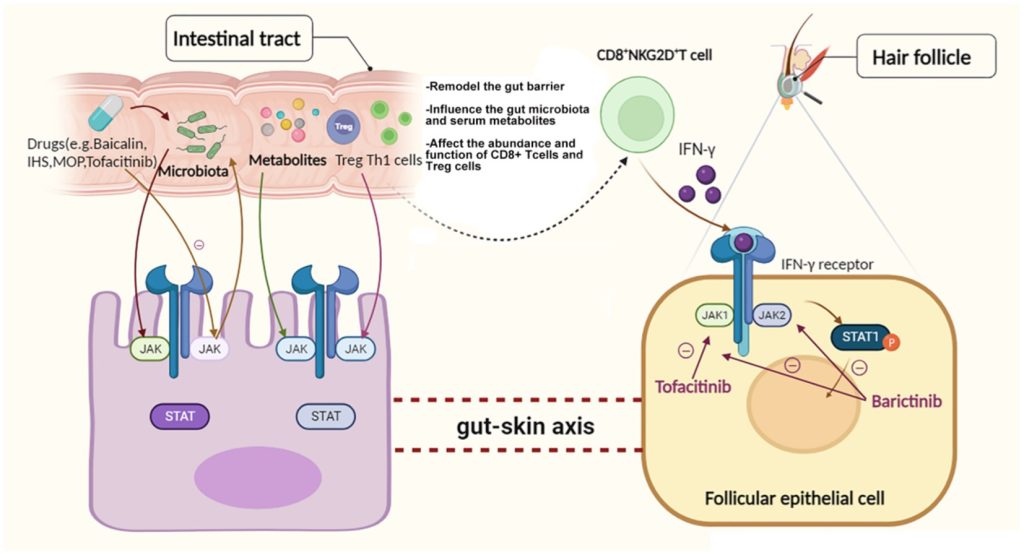
Let’s dive in. The gut-skin axis is essentially a two-way communication highway. Your gut microbiome—that vast ecosystem of bacteria in your intestines—constantly sends signals to your skin, and vice versa. When your gut is unhappy, inflamed, or out of balance (a state called dysbiosis), it can send inflammatory messengers straight to your skin. Think of it like a misbehaving intercom system broadcasting static and chaos to every room in the house.
How Your Gut Talks to Your Skin
It sounds almost sci-fi, but the mechanisms are very real. An imbalanced gut can contribute to inflammatory skin conditions in a few key ways:
- Leaky Gut: When the intestinal lining becomes overly permeable, it allows undigested food particles and toxins to seep into the bloodstream. Your immune system flags these as invaders, triggering systemic inflammation that often shows up… you guessed it, on your skin.
- Immune System Activation: About 70% of your immune system resides in your gut. The bacteria there are critical for training it. Dysbiosis can lead to an overreactive immune response, which for many people manifests as skin redness, swelling, and irritation.
- Short-Chain Fatty Acids (SCFAs): These are beneficial compounds produced when your gut bacteria ferment dietary fiber. SCFAs, like butyrate, are powerhouse anti-inflammatories. Low levels are often linked to higher skin inflammation.
Building a Gut-Friendly Plate for Glowing Skin
So, what does targeted nutrition for the gut-skin axis actually look like? It’s less about a restrictive diet and more about strategic inclusion. Here’s the deal.
Foods to Embrace (Your Skin’s New Best Friends)
- Fermented Foods: Kimchi, sauerkraut, kefir, unsweetened yogurt. These are natural sources of probiotics, adding beneficial bacteria directly to your gut. Don’t go overboard—start with a tablespoon or two daily.
- Diverse, Colorful Plants: Aim for 30 different plant foods a week. Seriously. Fruits, vegetables, nuts, seeds, legumes, and whole grains provide the prebiotic fiber that feeds your good bugs. Each color represents different polyphenols—antioxidants that calm inflammation.
- Omega-3 Rich Foods: Fatty fish (salmon, mackerel), walnuts, flaxseeds, and chia seeds. Omega-3s are potent internal anti-inflammatories, directly countering the inflammatory pathways that can worsen conditions like psoriasis and atopic dermatitis.
- Bone Broth & Collagen: The gelatin and amino acids (like glycine and proline) in bone broth may help support the health of both your gut lining and your skin’s collagen. It’s a soothing double-whammy.
Foods to Approach with Caution
This isn’t about creating fear around food. But for many with inflammatory skin issues, these can be common triggers. Consider a temporary elimination to see if your skin responds.
- Highly Processed Foods & Refined Sugars: They can feed harmful bacteria and yeast, promote leaky gut, and spike insulin—a known inflammatory driver.
- Industrial Seed Oils: Oils high in omega-6s (like soybean, corn, sunflower oil) can skew your omega-3 to omega-6 ratio, tipping the scales toward inflammation.
- Common Intolerances: For some, dairy or gluten can be problematic. They might increase intestinal permeability in sensitive individuals. It’s highly personal.
Beyond the Plate: The Lifestyle Connection
Nutrition is a massive piece, but it’s not the whole puzzle. Your lifestyle directly impacts your gut, which in turn, talks to your skin. Managing inflammatory skin conditions requires a 360-degree view.
| Lifestyle Factor | Impact on Gut-Skin Axis | Practical Tip |
| Stress | Chronic stress alters gut bacteria, increases intestinal permeability, and flares skin conditions like eczema and acne. | Incorporate 10 minutes of daily breathwork or meditation. It’s not fluff—it directly signals safety to your nervous system. |
| Sleep | Poor sleep disrupts the gut microbiome and increases inflammatory markers. Your skin repairs itself at night. | Prioritize consistency. Even one bad night can increase inflammation. Think of sleep as non-negotiable skincare. |
| Movement | Regular exercise increases microbial diversity. But intense, prolonged exercise without recovery can increase gut permeability. | Mix it up: walks, yoga, strength training. Listen to your body. More isn’t always better. |
| Environmental Toxins | Pesticides (in food) and harsh chemicals can harm gut flora and trigger skin inflammation. | Wash produce well, consider organic for the “Dirty Dozen,” and simplify your skincare routine to gentle, non-toxic products. |
Putting It All Together: A Realistic Approach
This can feel overwhelming. I get it. You don’t need to overhaul everything overnight. In fact, that kind of stress is counterproductive. Start small. Pick one thing.
- Add before you subtract. Focus on getting one extra serving of vegetables or a spoonful of sauerkraut each day for a week. That’s it.
- Keep a simple journal. Note your skin, your food, and your stress. Look for patterns, not perfection.
- Think “gut-supporting,” not “perfect.” A diverse microbiome is a resilient one. The goal is to build resilience over time.
Honestly, the most powerful shift is in perspective. Your skin isn’t an isolated organ. It’s a reflection, a visible signal of what’s happening deep within. By nourishing your gut with targeted nutrition and a supportive lifestyle, you’re sending a clear message of care down that internal communication line. And the response—a calmer, clearer complexion—is more than just skin deep. It’s a sign of a body coming back into balance, from the inside, out.