Let’s be honest. Modern strength training can feel… robotic. You know the drill: hit your sets, chase the numbers, push through the burn. It’s effective, sure. But it often leaves us feeling disconnected—like we’re operating a machine, not inhabiting a body.
That’s where somatic movement comes in. It’s not another exercise fad. Think of it as the missing software update for your physical practice. Integrating somatic movement into your strength routine is about listening inward to move outward with more power, precision, and—frankly—a lot less pain.
What Are Somatic Practices, Anyway? (It’s Not Just Stretching)
First, a quick clarification. “Somatic” simply means “of the body,” from the inside out. Somatic movement practices focus on internal perception. They’re about interoception (feeling what’s happening inside) and proprioception (knowing where your body is in space).
Popular methods include the Feldenkrais Method, Hanna Somatics, and Clinical Somatics. But you don’t need a certificate to get the gist. The core idea is mindful, slow, exploratory movement designed to reset your nervous system and release chronic muscular tension—the kind that sneaks up from sitting all day or, ironically, from repetitive heavy lifting.
The “Why”: The Powerful Synergy of Inner and Outer Work
So why mash these two seemingly opposite approaches together? Here’s the deal: strength training is largely output. Somatic work is skilled input. Combined, they create a feedback loop that elevates both.
Key Benefits of This Integration
- Better Movement Patterns: Somatic exercises help you unlearn dysfunctional habits—like that slight back arch during a squat you can’t seem to shake. By increasing body awareness, you move more efficiently under the bar.
- Reduced Injury Risk: Chronic tension is a precursor to injury. Somatic practices teach you to release muscles you’ve been chronically clenching (hello, overactive traps and tight hip flexors), allowing for safer, more balanced strength development.
- Enhanced Mind-Muscle Connection: This buzzword gets real. Training your internal sense of feel makes every rep more intentional. You’ll activate the target muscles better, period.
- Faster Recovery: The gentle, nervous-system-focused nature of somatic movement promotes parasympathetic (“rest and digest”) activation. It’s active recovery that actually calms you down.
How to Weave It Into Your Existing Routine
Okay, enough theory. Let’s get practical. You don’t need to ditch your program. Start small. Think of somatic practices as the bookends or the connective tissue—literally—of your training.
1. The Somatic Warm-Up (5-10 Minutes)
Skip the mindless treadmill jog. Begin with floor-based explorations. Before a lower body day, try this:
- Lie on your back, knees bent. Notice your contact with the floor.
- Slowly, with microscopic slowness, tilt your knees to the right a few inches, then back to center. Pay attention to the shifting sensations in your spine and ribs. Repeat to the left. This isn’t stretching; it’s sensing.
- Perform 5-8 slow repetitions per side. Then stand up. Feel the difference in your stance. You’ll likely feel more grounded, more “available” for movement.
2. Intra-Workout Check-Ins
During your rest periods, don’t just scroll. Do a quick scan. Ask: “Where am I holding tension right now?” Is your jaw clenched? Are your shoulders up by your ears? Consciously release those areas. This resets your posture for the next set.
3. The Somatic Cool-Down (10-15 Minutes)
This is where it shines. After your last set, dedicate time to unwind your nervous system. Focus on areas heavily taxed. For example, after a heavy press day:
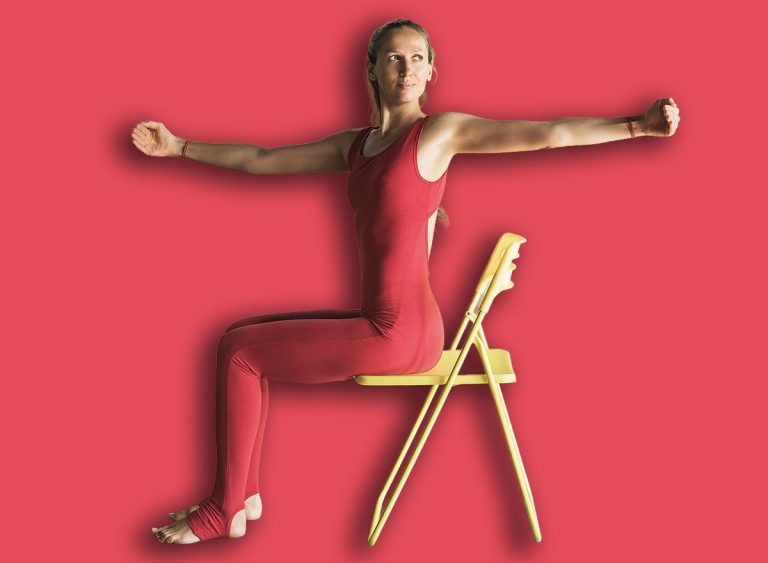
- Sit or stand comfortably. Gently and slowly, draw one shoulder up toward your ear, then release it down with a sigh. Not a shrug, but a mindful movement. Feel the weight of the release. Alternate sides.
- Follow with slow, controlled head turns, letting your gaze follow. The key is moving within a completely pain-free range, with full attention on the sensation of movement itself.
A Sample Integration Framework
Here’s a simple table to visualize how this might look across a training week. It’s not rigid—adapt it.
| Training Day | Strength Focus | Somatic Integration Point |
| Monday | Lower Body (Squats, Deadlifts) | Pre: Pelvic clock variations on floor. Post: Slow, mindful hip circles and spinal rolls. |
| Wednesday | Upper Body (Press, Rows) | Pre: Shoulder blade awareness slides. Intra: Jaw & hand relaxation between sets. |
| Friday | Full Body / Accessory | Post: Full-body scan & gentle pandiculation (that’s a somatic yawn-stretch) for major muscle groups. |
| Sunday | Active Recovery | Dedicated 20-min somatic exploration session (like a short Feldenkrais ATM lesson). |
Listening to Your Body’s Signals: The Real Game Changer
This is the heart of it. Traditional training often teaches us to ignore discomfort. “No pain, no gain,” right? Well, somatic integration flips that script. It teaches you to discern between good effort and harmful strain.
A twinge in the lower back during a deadlift isn’t just something to brace through. With heightened awareness, it becomes information. Maybe you need to adjust your breathing. Or perhaps your hips initiated the pull a millisecond late. This level of feedback is priceless for long-term progress—and longevity.
The Bottom Line: Strength That Feels Good
Integrating somatic movement practices into modern strength training isn’t about making you weaker. It’s about building a stronger, more resilient, and more intelligent body. It’s about moving away from force-feeding movements and toward inviting them.
You start to build strength not just in muscles, but in your very perception. The weight room becomes a lab for self-discovery, not just a forge for muscle. And honestly, that’s a practice that sustains itself for decades, not just a few seasons.
The future of fitness isn’t just heavier weights or more complex routines. It’s deeper awareness. It’s the marriage of power and presence. And that, you could say, is a truly strong foundation.