You’ve heard it before: “Eat breakfast like a king, lunch like a prince, and dinner like a pauper.” But honestly? That old saying barely scratches the surface. There’s a whole science behind when you eat—not just what you eat. It’s called circadian rhythm aligned eating patterns, and it might just be the missing puzzle piece in your health journey.
Think of your body as a finely tuned orchestra. Every cell has a clock. And when you eat at odd hours—like midnight snacks or skipping breakfast—you’re basically telling the violins to play jazz while the drums are trying to keep a waltz. Chaos, right?
What Exactly Is Circadian Rhythm Aligned Eating?
Well, it’s pretty simple. Your body’s internal clock—the circadian rhythm—runs on a roughly 24-hour cycle. It regulates sleep, hormone release, body temperature, and yes, digestion. When you eat in sync with this natural rhythm, your metabolism hums along efficiently. When you don’t? Things get messy.
Here’s the deal: Your digestive system is most active during daylight hours. Enzymes peak, insulin sensitivity is higher, and your gut microbiome is ready to party. At night? It’s winding down. So eating a heavy meal at 10 PM is like asking a night-shift worker to run a marathon—possible, but not ideal.
The Science Behind the Clock
Every organ has its own clock, but the master clock lives in your brain’s suprachiasmatic nucleus (try saying that three times fast). Light is its main cue, but food is a powerful secondary signal. When you eat late, you trick your peripheral clocks—especially in the liver, pancreas, and gut—into thinking it’s still daytime. This misalignment can mess with blood sugar, fat storage, and even your mood.
In fact, a 2020 study published in Cell Metabolism found that people who ate most of their calories earlier in the day had better insulin sensitivity and lower blood pressure. The same study showed that late eaters had higher inflammation markers. Coincidence? Not a chance.
Why Your Grandma Was Right About Breakfast
Okay, let’s be real—breakfast isn’t mandatory for everyone. Intermittent fasting has its fans. But for circadian alignment, eating within a 8-10 hour window during daylight is key. That means your first meal should come within an hour or two of waking up. Why? Because your cortisol naturally rises in the morning, prepping your body for action. Eating then signals your metabolism to shift into gear.
But here’s the nuance: Don’t force breakfast if you’re not hungry. Instead, try a small, protein-rich snack like Greek yogurt or a handful of nuts. The goal isn’t to stuff yourself—it’s to tell your body, “Hey, we’re awake, let’s get moving.”
Lunch: The Power Hour
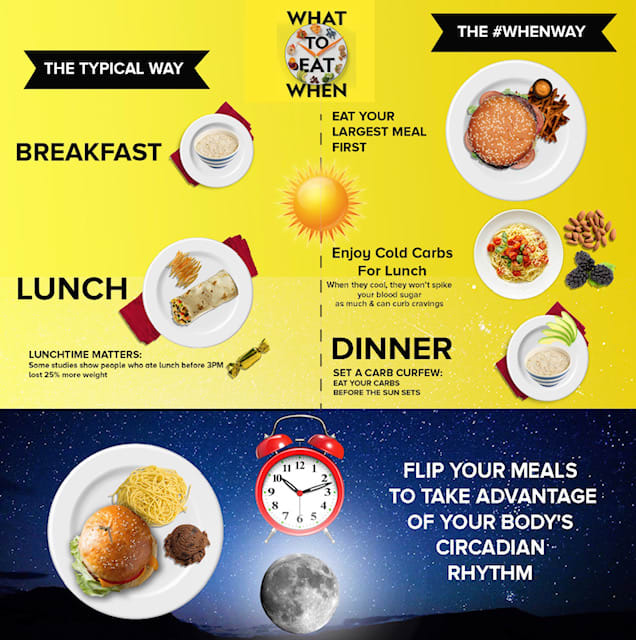
Your midday meal should be your largest. Seriously. At noon, your digestion is at its peak. Enzymes are flowing, bile is ready, and your body can handle a bigger load. Think of it as the sun at its zenith—everything is optimized. A big lunch with fiber, protein, and healthy fats will sustain you without the afternoon slump.
I know what you’re thinking: “But I’m used to a light lunch and a big dinner.” That’s the standard Western pattern, and it’s backwards. Shifting your largest meal to lunch can improve your sleep quality and reduce late-night cravings. It’s a small shift with big payoffs.
Dinner: Keep It Light and Early
Here’s where most of us trip up. Dinner is often the biggest meal of the day—and it’s eaten after 7 PM. But your body’s ability to process food drops significantly after sundown. Melatonin starts rising, and your pancreas gets sleepy. Eating a heavy meal late forces your body to work overtime, disrupting sleep and spiking blood sugar.
So aim to finish your last meal at least 3-4 hours before bedtime. That doesn’t mean you have to starve—just keep it light. Think soup, salad, grilled fish, or roasted veggies. Your gut will thank you, and you’ll wake up feeling lighter.
What About Snacking?
Snacking isn’t evil—it’s the timing that matters. A small, nutrient-dense snack in the afternoon (around 3-4 PM) can bridge the gap between lunch and dinner. But late-night snacking? That’s a circadian rhythm killer. Even a handful of almonds at 10 PM can confuse your internal clock. If you’re truly hungry, try herbal tea or a glass of water first. Thirst often masquerades as hunger.
Practical Tips for Circadian Rhythm Aligned Eating
Let’s be honest—life gets in the way. Work schedules, social events, and travel can throw off even the best intentions. But you don’t need perfection. Just small, consistent tweaks. Here’s a quick cheat sheet:
- Eat within a 8-10 hour window (e.g., 8 AM to 6 PM). This mimics our ancestors’ patterns.
- Prioritize protein at breakfast—eggs, yogurt, or a smoothie with protein powder.
- Make lunch your biggest meal. Save the heavy carbs for earlier in the day.
- Finish dinner by 7 PM at the latest. If you can’t, keep it under 400 calories.
- Get morning sunlight within 30 minutes of waking. It resets your master clock.
- Avoid blue light after sunset—or at least dim your screens. It messes with melatonin.
And yes, coffee counts. Caffeine late in the day can shift your rhythm. Try to have your last cup by 2 PM.
Common Myths (and What Actually Works)
Let’s bust a few myths, shall we?
Myth #1: “Eating late makes you gain weight because calories count more at night.”
Not exactly. It’s not that calories magically double after dark. But late eating disrupts sleep and insulin sensitivity, which can lead to overeating the next day. So it’s indirect, but real.
Myth #2: “You have to eat every 3 hours to keep your metabolism stoked.”
Nope. That’s a diet industry relic. Meal frequency doesn’t matter as much as the timing and quality. Your metabolism doesn’t “crash” if you skip a snack.
Myth #3: “Intermittent fasting is the same as circadian eating.”
Close, but not identical. IF focuses on the fasting window, while circadian eating emphasizes alignment with daylight. They overlap, but circadian eating is more about when relative to light, not just the clock.
The Table of Timing: A Quick Reference
| Time of Day | Optimal Eating Pattern | Why It Works |
|---|---|---|
| 6-8 AM | Light breakfast (protein + fat) | Kicks off metabolism, aligns with cortisol peak |
| 12-1 PM | Largest meal (fiber, protein, carbs) | Peak digestive enzyme activity, best insulin sensitivity |
| 3-4 PM | Small snack (if needed) | Bridges gap without disrupting sleep hormones |
| 5-7 PM | Light dinner (veggies + lean protein) | Allows digestion before melatonin rises |
| After 8 PM | No food (water or herbal tea only) | Protects sleep quality and circadian alignment |
This isn’t a rigid prescription—it’s a template. Adjust it to your life. The key is consistency, not clock-watching.
Real-World Benefits (Beyond Weight Loss)
People often jump into circadian eating for weight loss. And sure, it helps—especially by reducing late-night cravings. But the real magic is deeper. Better sleep, steadier energy, improved digestion, and even sharper focus. Some research suggests it can reduce the risk of metabolic syndrome and type 2 diabetes. Not bad for a simple schedule shift, right?
I’ve seen friends who struggled with acid reflux find relief just by eating dinner earlier. Others with brain fog noticed their concentration sharpened by noon. It’s not a cure-all, but it’s a powerful tool.
A Note on Shift Workers
If you work nights, this might feel impossible. But you can still align eating with your “biological day.” That means eating your largest meal when you wake up (even if it’s 6 PM) and keeping meals light before your sleep period. It’s not perfect, but it helps. Blackout curtains and bright light therapy can also support your rhythm.
Putting It All Together
Circadian rhythm aligned eating isn’t a diet—it’s a lifestyle rhythm. It’s about respecting your body’s ancient programming in a modern world. You don’t need to overhaul everything overnight. Start with one change: eat dinner an hour earlier. Or have a protein-rich breakfast. Small steps compound.
Your body has been keeping time long before clocks existed. Listen to it. The sun rises, your metabolism stirs. The sun sets, your digestion rests. It’s that simple—and that profound.
So maybe tonight, instead of that 9 PM bowl of ice cream, try a cup of chamomile tea. Your circadian rhythm will thank you. And honestly? You might just wake up feeling like a new person.